Vista Smiles Team2 min read
Losing a tooth affects more than your smile - neighbouring teeth drift, chewing becomes uneven and the jawbone in the gap slowly shrinks. The two most common fixed replacements are implants and bridges.
Dental implant
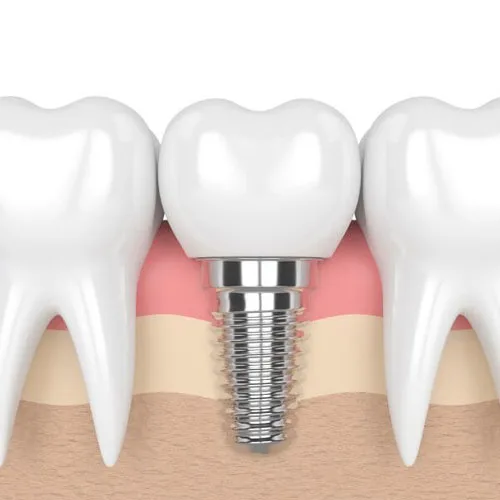
A titanium post is placed in the jawbone and, once healed, topped with a crown.
Pros
- Doesn't touch the neighbouring teeth
- Preserves jawbone
- Can last 20+ years with good care
- Feels most like a natural tooth
Cons
- Requires minor surgery and healing time (usually 3–6 months)
- Higher upfront cost
- Needs adequate bone (grafting is sometimes required)
Dental bridge
The teeth on either side of the gap are shaped and crowned, with a false tooth suspended between them.
Pros
- No surgery; typically completed in 1–2 weeks
- Lower initial cost
- Good option when the neighbouring teeth already need crowns
Cons
- Healthy neighbouring teeth must be trimmed
- Bone under the gap continues to shrink
- Average lifespan 10–15 years; the whole bridge is replaced if one part fails
Quick comparison
| Implant | Bridge | |
|---|---|---|
| Surgery | Yes (minor) | No |
| Time to finish | 3–6 months | 1–2 weeks |
| Affects adjacent teeth | No | Yes |
| Preserves bone | Yes | No |
| Typical lifespan | 20+ years | 10–15 years |
Talk to a specialist
Our prosthodontist and implantologists plan every case with digital X-rays and will walk you through both options honestly. Book a consultation at either clinic.
- #implants
- #treatments
Medical disclaimer
This article is for general information only and is not a substitute for a professional dental examination. If you have symptoms, please book an appointment.